
Escaping the League Client: Teamfight Tactics Flees to Unreal Engine

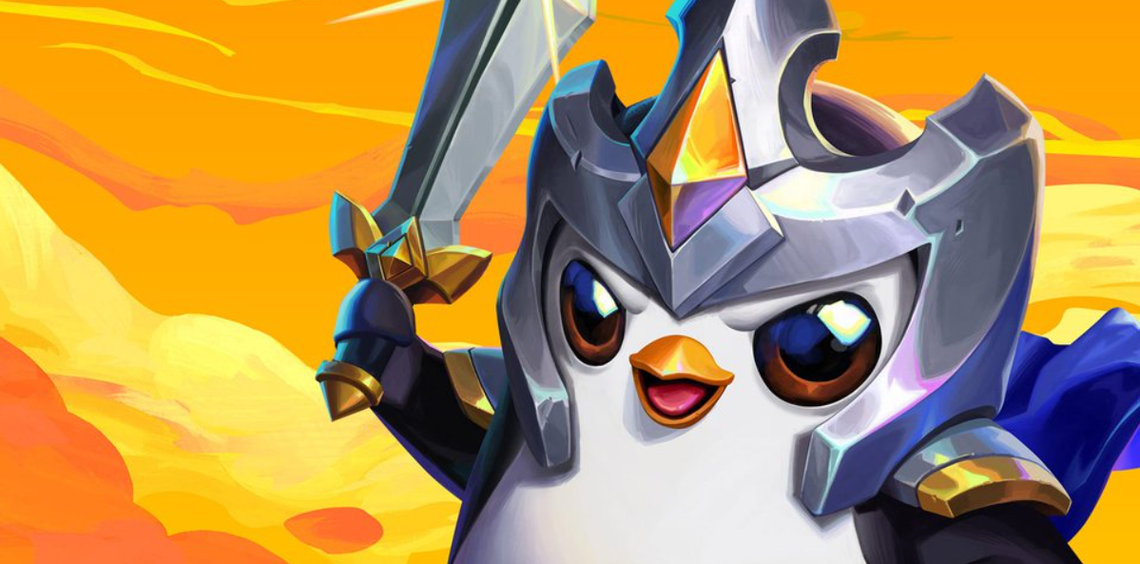
For years, the League of Legends client has operated as a notorious monument to technical debt, a buggy launcher that players have begged Riot to burn to the ground. Teamfight Tactics, born inside that very client as a temporary game mode, has spent seven years dragging the weight of League's legacy code. That era of shared misery is finally ending, as Riot Games confirmed TFT is migrating to Unreal Engine starting with Set 18 on August 12, 2026. This technical divorce will culminate in a standalone PC client later this autumn, freeing the auto-battler from League's weekly patch cycle and client crashes.
| Detail | Information |
|---|---|
| Game | Teamfight Tactics (Riot Games) |
| Engine Shift | Unreal Engine migration (Set 18, August 12, 2026) |
| Extended PBE | July 14, 2026 (4-week test window) |
| Standalone Launch | Fall 2026 (4 patches post-Set 18) |
| League Overhaul | "League Next" integration (Targeted for 2027) |
The Mechanics of the Technical Divorce
The transition to Unreal Engine represents Riot's bid to turn TFT into what they call a "forever game," though players will first have to survive a few growing pains. An extended four-week Public Beta Environment test starts on July 14, 2026, to ensure the new engine does not completely implode on launch. When the migration goes live with Set 18, players will retain their Riot accounts and collections, though they will lose their local settings and favorite cosmetic loadouts. The real prize, however, arrives four patches later when the dedicated standalone client launches. This separation allows the TFT dev team to patch, update, and optimize the game without waiting on League's bi-weekly release schedule.
We’re investing in TFT’s future by making some changes under the hood. Here’s what that means for us, and for you! pic.twitter.com/dIiAWcrWcR
— Teamfight Tactics (@TFT) June 12, 2026
The League of Legends 2 Delusion
As soon as rumors of the engine migration leaked, the community immediately did what it does best: jump to wild, ungrounded conclusions. Speculation spread like wildfire that this transition was the first phase of a fabled "League of Legends 2" engine overhaul. Riot executives Andrei "Meddler" van Roon and Paul "Pabro" Bellezza quickly poured cold water on those hopes, reiterating that a direct sequel is not in development. Instead, League's own modernization project, code-named "League Next," is targeted for a 2027 release. That project plans to merge the launcher and in-game experience into a single application and visual update, leaving League on its current foundational tech.
The Irony of Riot's Priorities
There is a delicious irony in the fact that Teamfight Tactics, a game mode built on a whim using recycled assets, is receiving a modern game engine before Riot's flagship esport. While League players continue to wrestle with a launcher that struggles to load post-game lobbies, TFT will soon run on the industry-standard Unreal Engine. This decision highlights the sheer weight of League's ancient code base, which is apparently too fragile to port to a modern engine without breaking the entire game. For now, League players will have to watch TFT enjoy the benefits of modern technology while they wait until 2027 for a basic client integration. It is a stark reminder of which game is easier to salvage from the ruins of Riot's early coding choices.
Ultimately, TFT's migration is a massive win for auto-battler fans who have long endured the clunky limitations of a shared client. The engine upgrade is a necessary step to secure the game's future, even if it leaves League of Legends players stranded in the past. TFT is finally growing up and moving out of the house, while League remains stuck in its room, playing with decade-old toys.
- OMYN
Break The Meta is an esports & gaming news publication. Follow us for coverage that doesn't put you to sleep.